

TAG Stationery Kyoto No Oto Fountain Pen Ink 40ml
Kyoto no Oto, or Sounds of Kyoto, is a series of inks made in partnership with the Kyoto Plant Dyeing Research Institute, recreating traditional Japanese dyes from the Heian period with modern techniques.
Note: While most of these inks are safe to use in fountain pens, some are not. Do not use the dip pen and brush inks in your fountain pens!
- Aonibi (Bluish Grey) fountain pen ink, representing the moonlit sky over Kyoto at night.
- Nureba-Iro (Glossy Black) fountain pen ink, the colour of lustrous crow feathers.
- Ochiguriiro (Fallen Chestnut Brown) fountain pen ink, the red-brown of fallen chestnuts.
- Sakuranezumi (Cherry Blossom Grey) fountain pen ink, the colour of cherry blossom with a hint of dark ink.
- Ryokuyu-Iro (Celadon Green) for dip pens and brush only. The colour of green-glazed pottery.
- Yurushiiro (Listening Hue) fountain pen ink. A paler colour, when bright crimson was reserved for the Imperial family and high ranking people, this 'listening colour' was allowed for everyone.
- Urahairo (Underside Leaf Green) fountain pen ink, the paler green of the underside of leaves.
- Ruriiro (Lapis Lazuli Blue) for dip pens and brush only. The colour of the gemstone.
- Koke-Iro (Moss Green) fountain pen ink, the colour of moss on old trees or stones in the gardens of Kyoto.
- Usugumo (Pale Cloud Grey) fountain pen ink, the pale grey of spreading cirrus clouds.
- Imayo-Iro (Trendy Pink) fountain pen ink, a fashionable pink-red that was very popular in the Heian period that inspired these inks.
- Azuki-Iro (Red Bean) fountain pen ink, the colour of azuki beans.
- Hisoku (Secret Blue) fountain pen ink, the colour of celadon pottery.
- Moegi-Iro (Sprout Green) fountain pen ink, the bright green of early spring shoots.
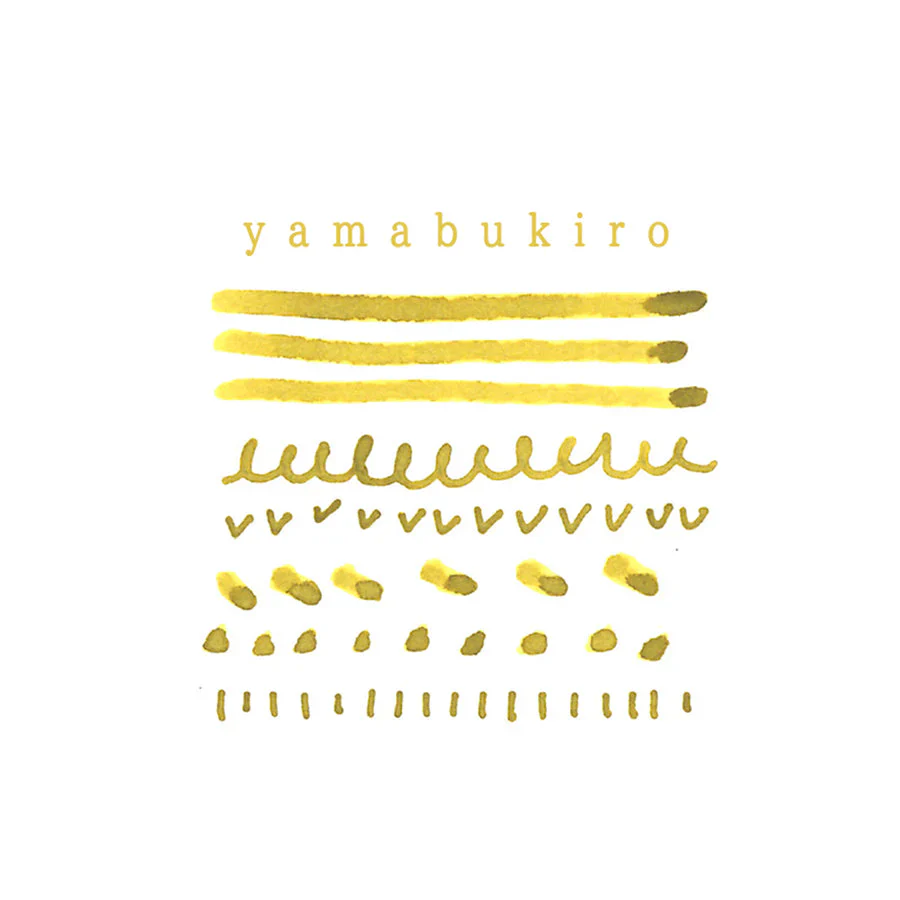
- Yamabuki-Iro (Kerria Yellow) fountain pen ink, a bright golden yellow of a dye from yamabuki flowers.
Select Ink Colour
From $11.36
Original: $32.45
-65%TAG Stationery Kyoto No Oto Fountain Pen Ink 40ml—
$32.45
$11.36Product Information
Product Information
Shipping & Returns
Shipping & Returns
Description
Kyoto no Oto, or Sounds of Kyoto, is a series of inks made in partnership with the Kyoto Plant Dyeing Research Institute, recreating traditional Japanese dyes from the Heian period with modern techniques.
Note: While most of these inks are safe to use in fountain pens, some are not. Do not use the dip pen and brush inks in your fountain pens!
- Aonibi (Bluish Grey) fountain pen ink, representing the moonlit sky over Kyoto at night.
- Nureba-Iro (Glossy Black) fountain pen ink, the colour of lustrous crow feathers.
- Ochiguriiro (Fallen Chestnut Brown) fountain pen ink, the red-brown of fallen chestnuts.
- Sakuranezumi (Cherry Blossom Grey) fountain pen ink, the colour of cherry blossom with a hint of dark ink.
- Ryokuyu-Iro (Celadon Green) for dip pens and brush only. The colour of green-glazed pottery.
- Yurushiiro (Listening Hue) fountain pen ink. A paler colour, when bright crimson was reserved for the Imperial family and high ranking people, this 'listening colour' was allowed for everyone.
- Urahairo (Underside Leaf Green) fountain pen ink, the paler green of the underside of leaves.
- Ruriiro (Lapis Lazuli Blue) for dip pens and brush only. The colour of the gemstone.
- Koke-Iro (Moss Green) fountain pen ink, the colour of moss on old trees or stones in the gardens of Kyoto.
- Usugumo (Pale Cloud Grey) fountain pen ink, the pale grey of spreading cirrus clouds.
- Imayo-Iro (Trendy Pink) fountain pen ink, a fashionable pink-red that was very popular in the Heian period that inspired these inks.
- Azuki-Iro (Red Bean) fountain pen ink, the colour of azuki beans.
- Hisoku (Secret Blue) fountain pen ink, the colour of celadon pottery.
- Moegi-Iro (Sprout Green) fountain pen ink, the bright green of early spring shoots.
- Yamabuki-Iro (Kerria Yellow) fountain pen ink, a bright golden yellow of a dye from yamabuki flowers.